The Role of Payment Integration: Providing Seamless Transactions
Discover how payment gateways and integrations enable secure online transactions for modern businesses.
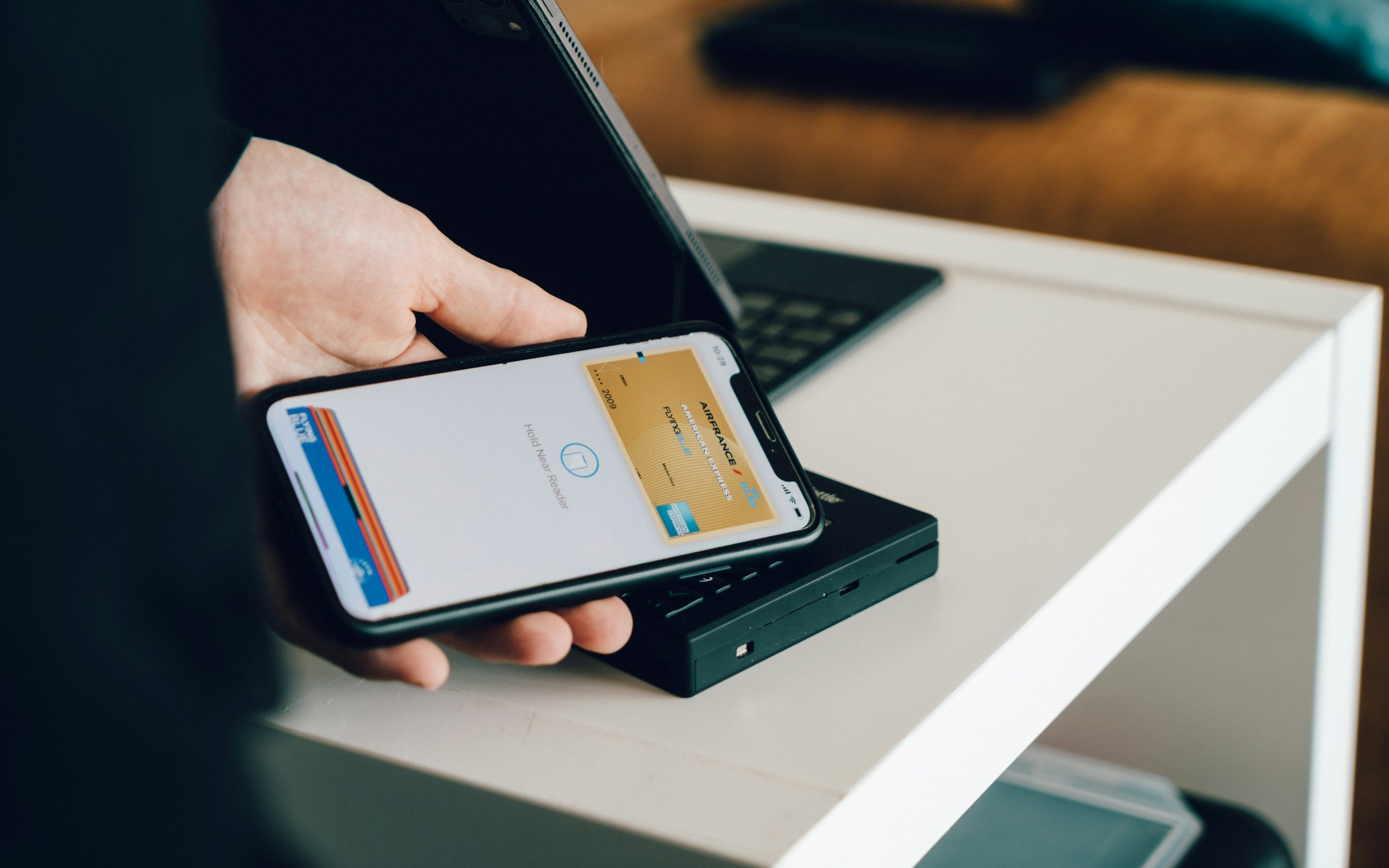
Online shopping and online payment transfers play a pivotal role in the current economy. Every major business and organization has its online platform and if its service is something that can be sold online, it is sold online. This is an essential step to stay competitive. The markets and shops that are physical are also trying to build their online presence. This step is not only efficient from a marketing point of view, it is also beneficial from a business perspective. To make these online transactions possible, Payment Gateways and Payment Integrations are required. These are what allow people and businesses to transfer funds online. Data Pulse Technologies has expertise in both maintaining and integrating payment systems and this blog will go over everything you need to know about the role of Payment Integration.
Understanding Payment Gateways
To have a better understanding of how the payment process works online, it is essential to know about Payment Gateway and through them Payment Integration. A Payment Gateway is a software application that Payment Service Providers (PSP) use to process payments for online purchases that originate on a merchant's website. Payment Service Providers are an intermediary between Payment Gateways and Banks/Acquirers. Payment Gateway acts as an interface between the merchant and the payment processing bank also known as an Acquirer. Generally, a Payment Gateway can be used for many payment methods. Payment Gateway ensures that information is passed securely between the customer, the merchant, and the acquirer. It makes sure that the entire payment process stays consistent.
When a customer purchases an item from a merchant connected to a payment gateway, the payment gateway performs various tasks to process the transaction. When a customer checks out an item, he/she enters the required information on a hosted payment page. If it is compliant with the security standards, this information is stored on the merchant's server. The card information is collected and passed on to the payment gateway securely. The payment page can also be generated directly by the Payment Gateway. Either way, the card information and transaction details are stored on the secured servers of the Payment Gateway. From there, the Payment Gateway processes the information and sends all information to the issuing bank for approval via the Acquirer and the relevant payment method/card scheme. Once the payment has been confirmed by the card scheme, the payment gateway sends the approved transaction back to the merchant's website and then the merchant informs the customer.
Top Payment Gateway Solutions
There are tons of Payment Gateway and integration options available. While some of these are region-locked, most of the popular ones can be used anywhere worldwide. Each of these Payment Integrations offers unique features that might serve a specific niche or a business requirement. Some of the more popular solutions include:
- PayPal: PayPal is one of the most widely used and adopted payment processors with global reach. It offers a safe and secure way to shop in-store and online while also allowing you to send and receive money from friends and other people.
- Stripe: It is one of the most developer-friendly Payment Integration options available. It offers extensive API customization which an organization and business can take advantage of.
- Square: Square is another popular payment processor and is ideal for those businesses that manage both online and in-store transactions.
- Authorize.Net: Authorize.Net is an extremely popular and trusted choice as a payment processor if you prioritize security over everything else.
There are a lot of options available and an organization should choose one that most closely meets their needs. Different factors should be taken into consideration like transaction fees, security features, ease of integration, and compatibility with eCommerce platforms.
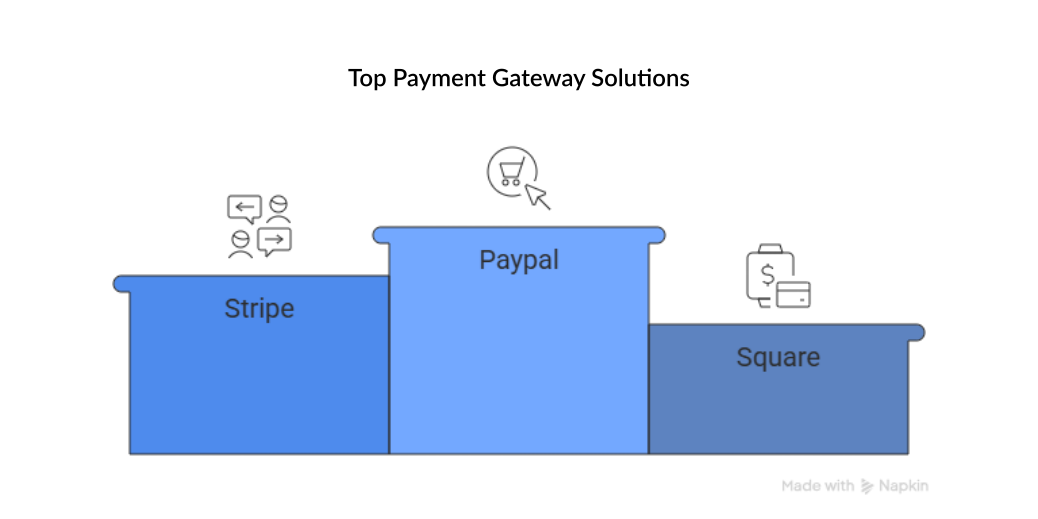
Image courtesy of DataPulse Tech.
Secure Payment Gateway Checkout
The financial information of a person is one of his most confidential and sensitive information. Therefore when integrating a Payment Gateway, having essential security measures is paramount. This is also essential for businesses as having a secure payment system will harbor goodwill and customer trust. There are several ways in which security can be improved.
- SSL Encryption: SSL encryption is the process of using different HTTPS protocols to enhance the overall security of the system.
- PCI Compliance: PCI is a set of standards that are put down for online security purposes. Adhering to these Payment Card Industry standards will help in securing payment transactions.
- Fraud Detection Tools: Different fraud detection tools such as AI tools or Machine Learning Models can be employed to prevent any malicious activity.
- Using Multi-Factor Authentication: Multi-Factor Authentication is the process of adding an extra layer of authentication requirements. This authentication requirement is either related to Confidentiality or Integrity of the system.
- Managing API Keys: Having access to the API keys is one of the most common ways of data breach. Restricting access to the API credentials will help circumvent it.
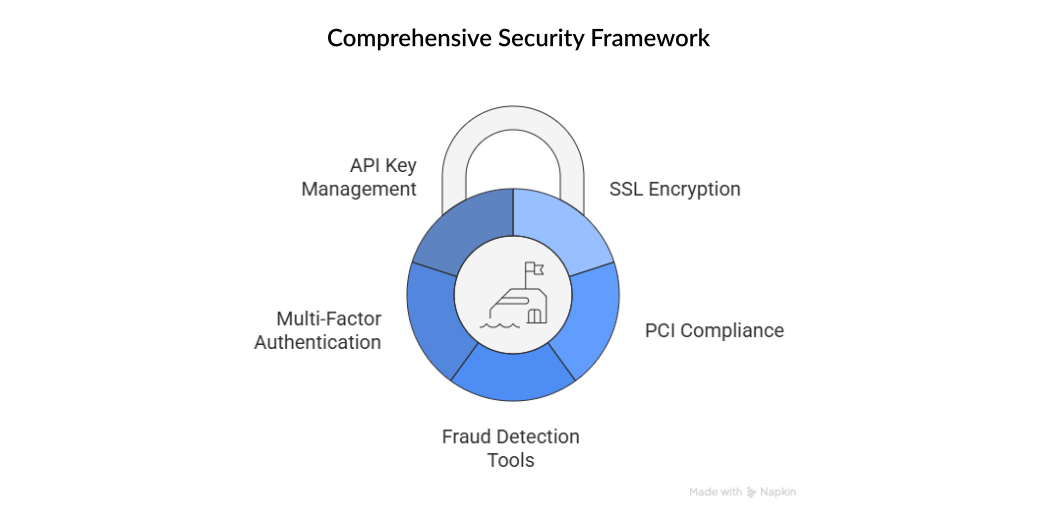
Image courtesy of DataPulse Tech.
API-Based Payment Integration
There are two methods in which the payment gateway is used to process transactions. The first method is through UI services or an interface in which the customers will add card information. This UI interface will not be on the merchant's website but instead will be integrated with it. The second method is through web APIs. This method is not allowed for every merchant. In web APIs, what generally happens is that we have an endpoint for different stuff like processing, refund, authorization, and transactions. On that endpoint, the merchant sends a request. This request contains all the information that we will take from a UI interface. The only difference here is that we do not show an interface. The request is processed at the endpoint and then the response is sent.
The Future
As the online shopping industry continues to grow and more businesses migrate to online platforms, the need for safe and sound payment gateway integrations is on the rise. Payment integration is essential for businesses wanting to grow their online presence and give their business operations a boost. A payment integration that comes with different features and accessibility options will also have a positive impact on the overall customer experience. The future of payments lies in seamless, secure, and scalable integration, enabling businesses to thrive in a rapidly evolving marketplace. Data Pulse Technologies is efficient in this domain and has a lot of experience in this ever-growing field. Contact us now to give your business the edge it needs!